
Your security manager reviews the risk register on Monday. Wednesday brings a revision to a cloud access policy by a developer. By Friday, a revised security procedure has been uploaded, but the Statement of Applicability continues to reference the previous document.
There has been no dramatic event. When an ISO 27001 auditor reviews the records, even routine documentation gaps can become difficult to explain. Startups often struggle less with any single task than with keeping compliance work coordinated alongside daily operations.
When Spreadsheets Become a Second Job
A spreadsheet is often the most familiar place to begin tracking compliance. That convenience comes with risks: files can be duplicated or simply forgotten. At first, a small business might track risks in one file, policies in another, and controls in a third. That arrangement can work while the project remains straightforward, but problems appear when responsibilities shift or several employees make independent updates.
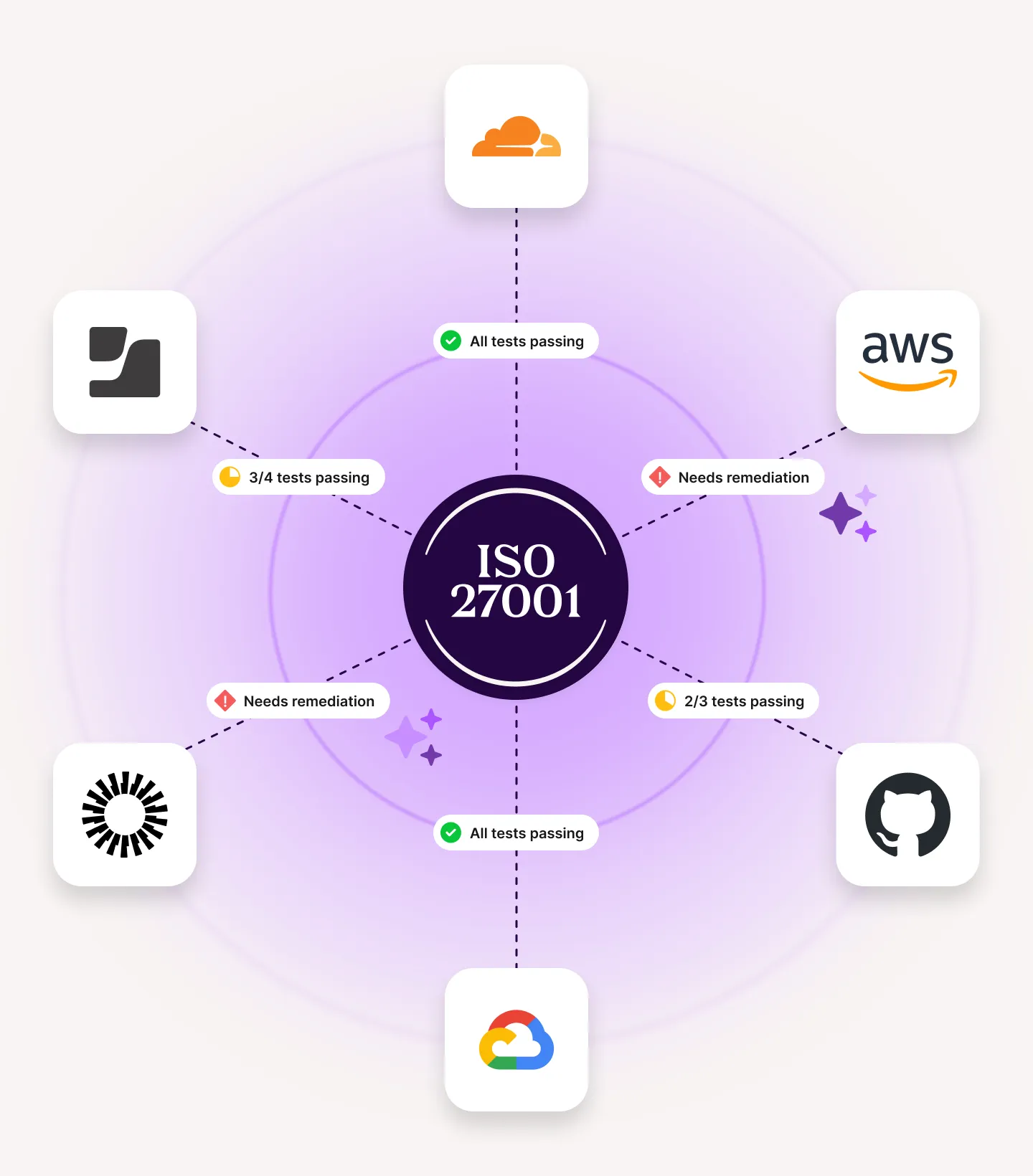
ISO 27001 compliance software offers an alternative by bringing related activities into a structured workspace. Instead of checking different file locations to understand a control’s status, team members can find its documentation and supporting evidence together.
Before You Subscribe, Ask Who Will Maintain It
Before purchasing another subscription, ask a practical question: Who will actually maintain this system?
An eight-employee startup may need a less elaborate system than a large multinational organization. Founders may handle risk assessments, developers may maintain technical controls, and an operations manager may coordinate documentation.
The right ISO 27001 software should clarify these responsibilities without adding complicated administrative tasks. Even a capable platform has limited value when the team stops using it.
Why the Statement of Applicability Matters
A Statement of Applicability should be treated as a substantive compliance record. It should show which security controls apply, the reasoning behind them, and whether implementation has occurred.
Using cloud infrastructure does not remove the need to consider applicable physical security responsibilities, even when the provider manages the underlying buildings.
The organization’s responsibilities and control decisions should be documented accurately. A connected risk register and Statement of Applicability can make those decisions simpler to trace during an audit.
When the Auditor Starts Asking Questions
The audit may involve reviewing employee training records alongside risk treatment decisions. A fragmented filing process can make it slower to gather audit materials. Although ISO 27001 certification software can bring evidence together, it does not ensure certification.
Whether the information security management system meets the standard is evaluated by an accredited certification body. Clear records simply make the assessment process easier to manage.
A Practical Approach for Growing Teams
Startups comparing platforms should consider their budget, internal resources, and actual compliance workload. CertAssist offers a practical option for businesses searching for the best compliance software for startups ISO 27001 certification. The platform includes ISO 27001 clauses, Annex A controls, a risk register, a Statement of Applicability, editable policy guidance, and evidence storage.
CertAssist also allows direct auditor access without requiring the business to connect company systems. Businesses that want to handle their own evidence may find that approach useful.
Keep Compliance From Becoming a Bottleneck
Preparing for certification should not consume all the time needed to run the business. An effective compliance workspace helps teams see outstanding tasks, keep records current, and prepare for assessment.
CertAssist is designed around that principle: giving smaller teams the structure needed to manage ISO 27001 without building an unnecessarily complicated compliance operation. The real measure of success is not how many features a platform offers. A useful platform is one that allows the business to stay organized as its needs evolve.