
On paper, a project for pumping could appear simple enough: water has to be moved from one area to another. In reality, the distance between those two points may be subject to shifting flow rates, elevation differences in solids, pressure demands storage capacity, controls and electrical equipment, access to maintenance, and even site restrictions.
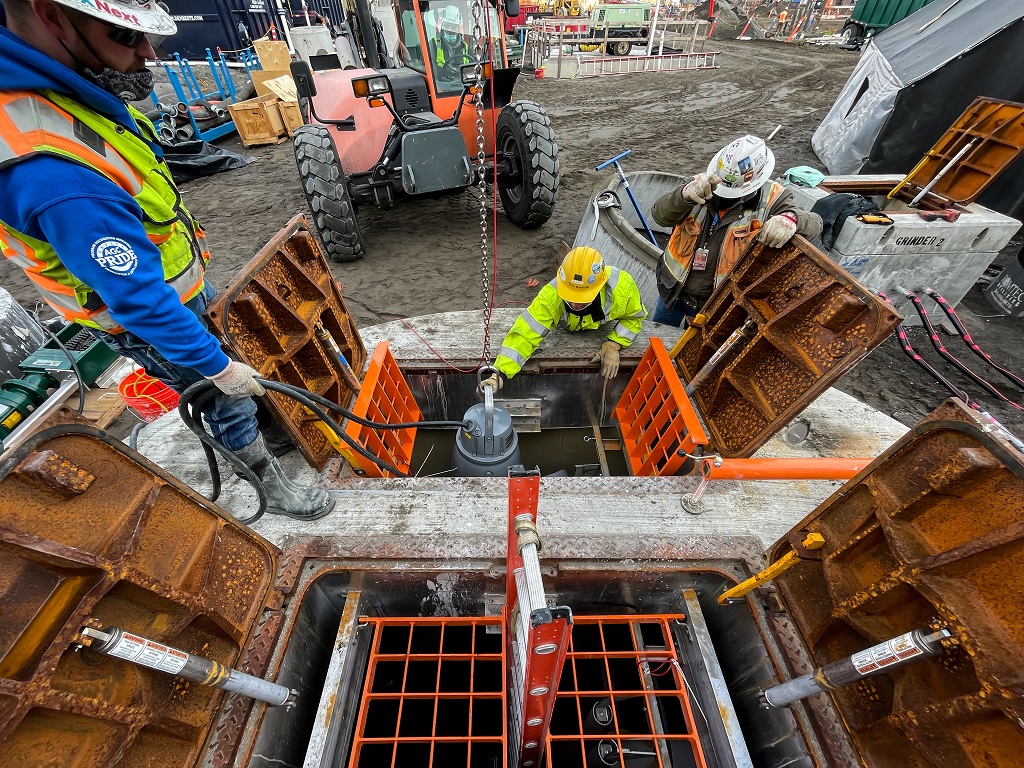
Image credit: romtecutilities.com
For Romtec Utilities, designing a pump station begins by defining those operating conditions rather than selecting equipment from a standard catalog. The requirements for the project are used to design sketches and budgetary details.
Start with a simple question: How are we doing?
The result immediately alters the design.
There could be a significant fluctuation in the flow rate of wastewater that is used for domestic use. The wastewater lift station is required in the event that gravity conveyance fails or will not function. Engineers have to consider the following: expected inflow, peak condition, pumping capability, wet well behavior, discharge requirements and how equipment is operated and maintained.
Industrial water poses a variety of challenges. Processing or manufacturing facilities may require moving high-temperature, caustic, oily or high-pressure fluids. Romtec Utilities designs systems for industrial applications ranging from food processing to power generation to databases, pharmaceutical waste and petroleum and gas facilities.
Rainfall is the cause of a totally different Operating Cycle
Stormwater systems can spend long periods handling little activities, only to face huge amounts during a storm.
For instance, a rainwater lift station with a detention basin must be compatible with the drainage plan for the site. The water that flows into the basin. Temporary storage regulates the quantity immediately. A pumping system then takes the water it collects into an approved outlet.
Romtec Utilities supplied this type of solution to a business park development located in Norco, California. The pumping equipment was needed to empty the basin and then discharge it into the stormwater system. The station was be constructed as component of the drainage infrastructure that is part of the development, rather than being a separate piece of equipment.
“Package” Doesn’t Need to mean Off-the-Shelf
A common misconception is that a package pumping system is merely a predetermined array of parts.
In the scenario of engineered infrastructures packaging may mean that the entire system of components are linked into a system. Pumps, valves and meters control, communications, structural components, and other equipment may be chosen based on the necessary duty requirements.
It’s especially helpful in connecting a brand new system to the existing infrastructure. In the case of industrial facilities and municipal structures, there’s not unlimited space available or a complete clean environment for the installation. The equipment could need to be adjusted around existing piping systems, structures, electrical system, and operating schedules.
Capacity Planning has real consequences
Undersizing becomes particularly costly when facilities grow.
Romtec Utilities, a Portland International Airport utility company, created and supplied a sewer interceptor lifting station to the PDX Next project. The new station was designed to double the peak-flow capability of the existing system, because airport facilities are expanding.
This highlights a fundamental aspect of engineering: construction conditions must not just reflect what an installation handles in an average afternoon. Engineers should also be aware of what happens when demand peaks.
The Work isn’t Done until the Equipment arrives
Then, drawings and calculations must be converted into an operating system. Installation coordination, startup and testing, documentation, and operator comprehension are all essential for long-term efficiency.
A well-engineered pumping system is ultimately determined by what happens years after the construction. The decisions made during the beginning of the design are obvious when the equipment requires maintenance, flows increase or the weather strikes.
For Romtec Utilities, integrating those decision-making processes into a total project-specific pumping solution helps turn the equipment pieces into an infrastructure that is designed to meet the demands it’s likely to encounter.