
A customer loves the color of a wig but finds the cap uncomfortable after several hours. A realistic hairline is welcome, but another customer finds spending twenty minutes on lace each morning more preparation than desired. For a third buyer, the look is not the issue. It is the unexpectedly heavy feel created by the wig’s density.
There is more meaning in these comments than a wig brand might initially see. They identify opportunities to create wigs customers genuinely like to wear.
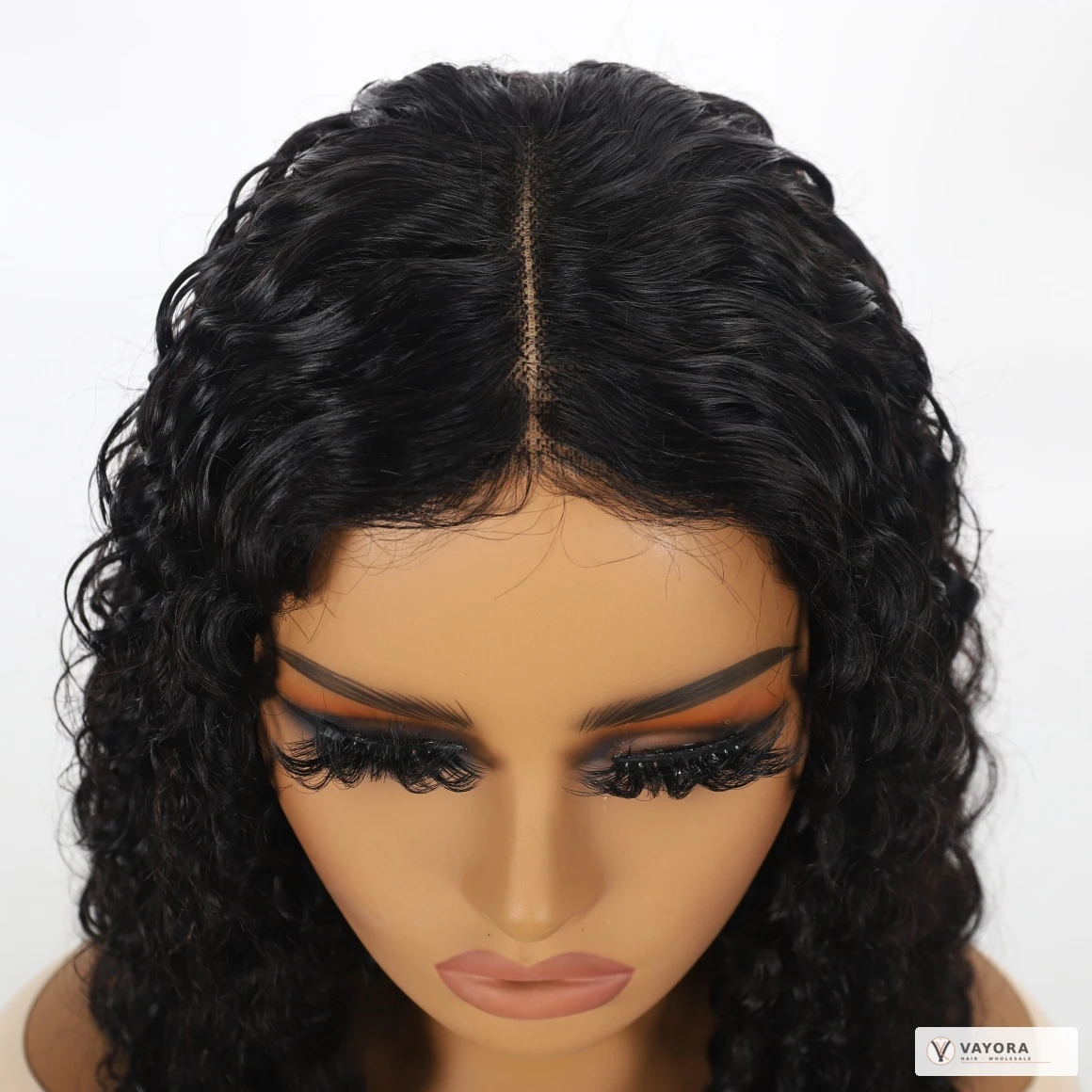
Image credit: vayorahair.com
Successful wig collections aren’t necessarily built around the latest viral hairstyle. A collection should begin with the customer’s expectations and the experience they want when they put it on.
Explore the Concerns Behind Customer Feedback
A customer’s explanation of a need is rarely expressed in the language of manufacturing. Instead, their feedback center on comfort and convenience, appearance and confidence. The desire to spend less effort getting ready may indicate a need for a glueless design. If customers complain about the hairline’s appearance, the team may need to review lace appearance and knot treatment, along with the density or design of the part.
Converting customer observations into measurable specifications is a capability to look for in a human hair wig manufacturer China brands choose.
Length and texture alone need not define the entire order. Buyers can also specify the intended wearing experience, cap fit, lace construction, hairline appearance, and finished weight. Such precision provides the development team with a more precise goal.
Give Your Private Label Range a Distinct Identity
Rather than defining their own range, many emerging brands follow the styles that are popular today. Other wig shops may end up offering very similar collections.
A collaborative relationship with a private label wig manufacturer China retailers choose can help a brand develop a consistent product identity. A brand could focus on lightweight everyday styles, premium natural-hairline designs, or ready-to-wear styles for customers who prefer little preparation. The shared customer commitment should guide texture, length, color, density, cap construction, and packaging. When a range has a distinct identity, customers have a reason to return that goes beyond a short-term discount.
Glueless Wigs Require More Than a Label
A glueless label may be straightforward, yet how the wig feels during wear is shaped by a number of design choices. To understand fit, consider adjustment features and cap sizing, attachment components, lace preparation, and hairline design. All influence how comfortable and secure the wig feels.
A glueless wig manufacturer China buyers choose should help clarify these requirements before production begins. Manageable density, pre-cut lace, and simple adjustment features may be particularly important when the intended customers are new to wigs. By contrast, a range for professional stylists may call for other customization possibilities. Neither approach is automatically better. The two approaches address the needs of distinct audiences.
Product Sampling and Brand Reputation
There are qualities of a wig that cannot be assessed from a photograph by itself. Does the cap fit properly? What is the hair movement like? Buyers also need to check whether the color meets expectations and the finished construction matches the approved design. Sampling provides an opportunity to identify differences before placing a larger order.
Consistently producing the same style calls for written specifications and quality-control procedures, particularly for a wholesale human hair wigs supplier handling repeat orders. Without clear references, a successful first batch may be difficult to reproduce consistently.
Expanding a Wig Range With a Clear Direction
Through product development, private label services, sampling, specification control, and repeat-production workflows, VAYORA assists B2B wig brands, retailers, and distributors. Physical details that affect the look, fit, and feel of a wig are connected to customer expectations through this approach.
A catalog expansion should follow a close examination of customer feedback, identification of the strongest product opportunities, and establishment of clear approval standards. The next successful collection may not require more styles. Instead, success may come from making fewer compromises in the styles customers already seek.